
Sustainable Aviation Fuel
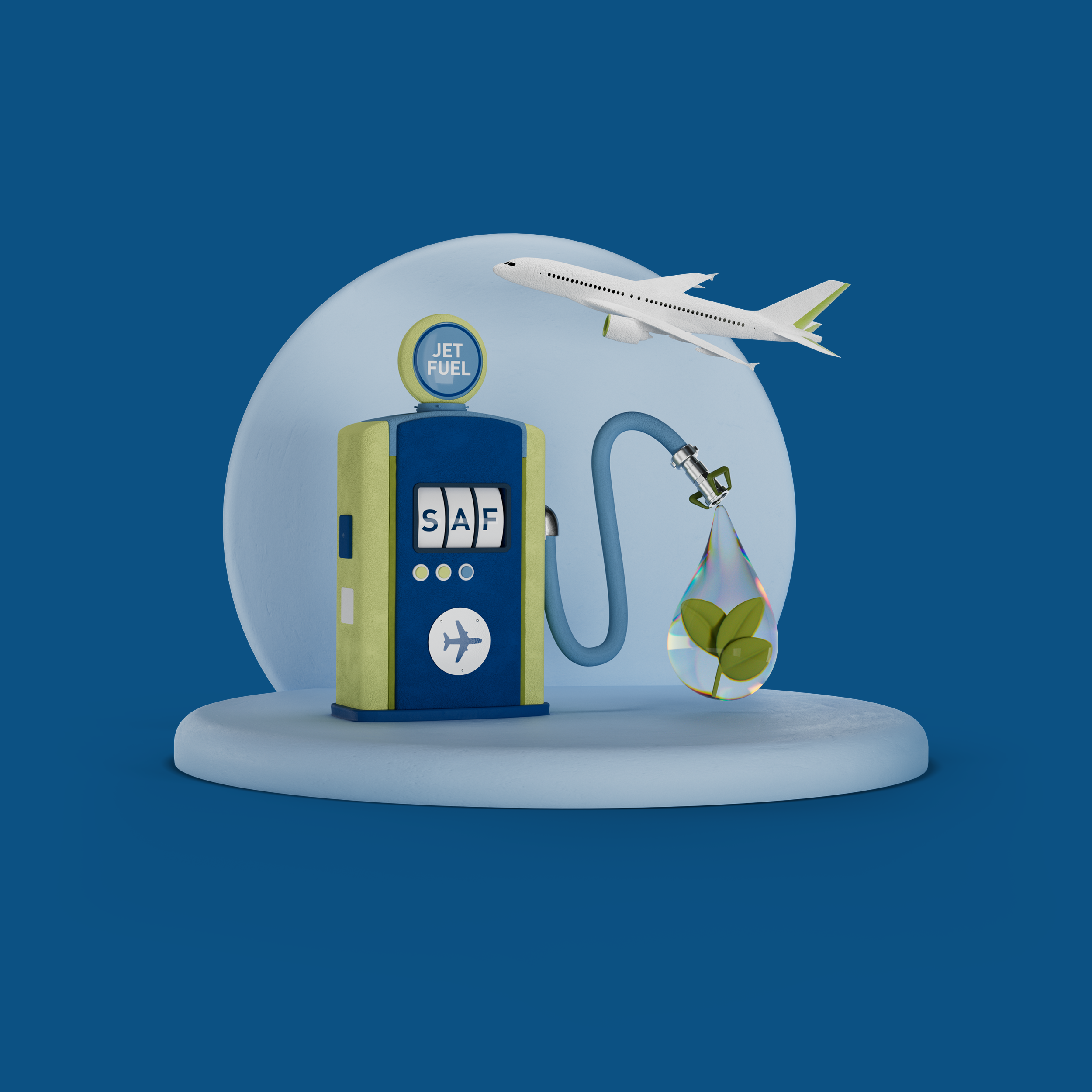
Jet fuel is different around here. We are helping fuel progress toward a cleaner and more resilient future with Sustainable Aviation Fuel (SAF).
Our purpose of serving the community and economy that supports it goes beyond connecting travellers and cargo to global destinations. We are committed to doing our part to address climate change and, with our long history of innovation and sustainability, we are taking action to become Net Zero by 2030 and supporting the aviation industry's climate goals.
A key element of the broader aviation industry's net zero by 2050 goal is reducing carbon emissions from flight.
That's why YVR has partnered with the Province of BC and the Council for Sustainable Aviation Fuels (C-SAF) to help increase the use of cleaner fuels or SAF to reduce greenhouse gas emissions from flight.
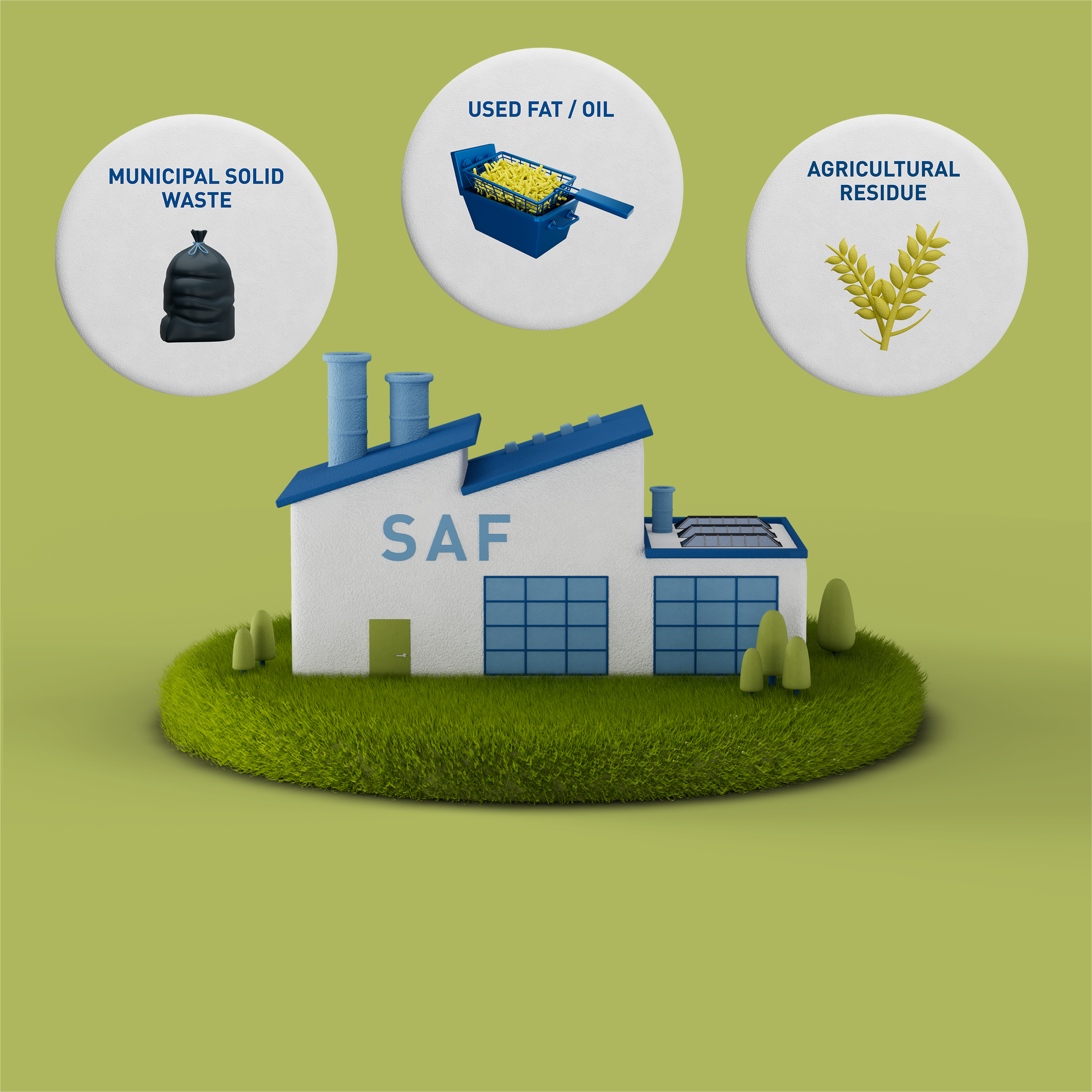
SAF is a lower-carbon alternative to fossil jet fuel. It is made from renewable materials, such as municipal solid waste, fats, oil, and greases from cooking waste and meat production, and agricultural and forestry residue. It is not a fossil fuel.
Every flight is a chance to make a difference. Look for options to support SAF when booking your next flight with your airline.
What is SAF?
SAF is a lower-carbon alternative to fossil jet fuel that can be used safely in today's aircraft. It is a "drop-in" fuel, meaning it is blended with fossil jet fuel and works within existing airport infrastructure and aircraft engines.
SAF can lower lifecycle emissions by up to 80 per cent compared to fossil jet fuel. That's because SAF is made with renewable and waste-derived materials, such as municipal solid waste, waste fats and oils, and agricultural and forestry residue. Using these materials rather than traditional fossil sources of jet fuel reduces emissions because it uses carbon that's already circulating in today's biosphere, while fossil fuel releases carbon that has been locked underground for millions of years.
SAF is already being used safely by airlines around the world today, with high quality standards adopted by industry and government. The aviation industry is actively working toward using 100 per cent SAF in the future.
What are the benefits of SAF?
SAF offers several environmental benefits compared to conventional jet fuel:
- Up to 80 per cent lower lifecycle greenhouse gas emissions
- Reduction in particulate matter and sulfur emissions
- Compatible with existing aircraft and infrastructure
- Supports the use of waste and renewable resources

Frequently Asked Questions (FAQs)
Why is YVR interested in SAF?
As Canada's second busiest airport and a global gateway between North America, Asia and beyond, YVR plays an important role in connecting people, goods, and ideas. While reducing emissions from our own operations remains a key priority, we are also taking a leadership role to increase the use of SAF to support the aviation industry's transition to lower carbon flight.
Sustainability is embedded in how we plan for the future. We evaluate every decision through a sustainability lens to ensure we deliver positive, lasting outcomes for both the airport and the region.
Advances in aircraft efficiency mean that increases in aircraft movements are no longer directly tied to increases in emissions. SAF is central to continued progress toward the industry's climate goals, helping ensure global connectivity while significantly lowering lifecycle emissions compared to fossil jet fuel.
SAF is one of the most effective tools available to reduce aviation emissions at scale. Expanding its use at YVR supports regional and industry climate goals, helps grow demand for lower-carbon fuels, and positions British Columbia as a leader in the transition to more sustainable air travel.
Work to date
In 2025, YVR implemented a business travel policy for their employees emphasizing lower environmental impact travel choices. To address greenhouse gas (GHG) emissions related to business travel on Air Canada flights, YVR also purchased environmental attributes associated with sustainable aviation fuel (SAF) through the airline’s Corporate Leave Less Travel Program. Emissions from remaining employee business travel on other airline carriers are addressed through the purchase of certified carbon offsets.
In addition, YVR also has a leadership role in the B.C. Low Carbon Jet Fuel Incentive Program, which supports airlines that use SAF in B.C. Through incentives provided to airlines that operate at YVR, this program is helping fund the transition from fossil jet fuel to SAF and drive significant carbon savings from flights. For example, during the first two years of the program, more than 28.1 million litres of SAF was purchased resulting in the avoidance of approximately 61,000 tonnes of CO2e emissions. Learn more about this program.
Read more about how we are reducing our climate impact.
Learn more
More questions?
Send us an email with your comments or questions: community_relations@yvr.ca